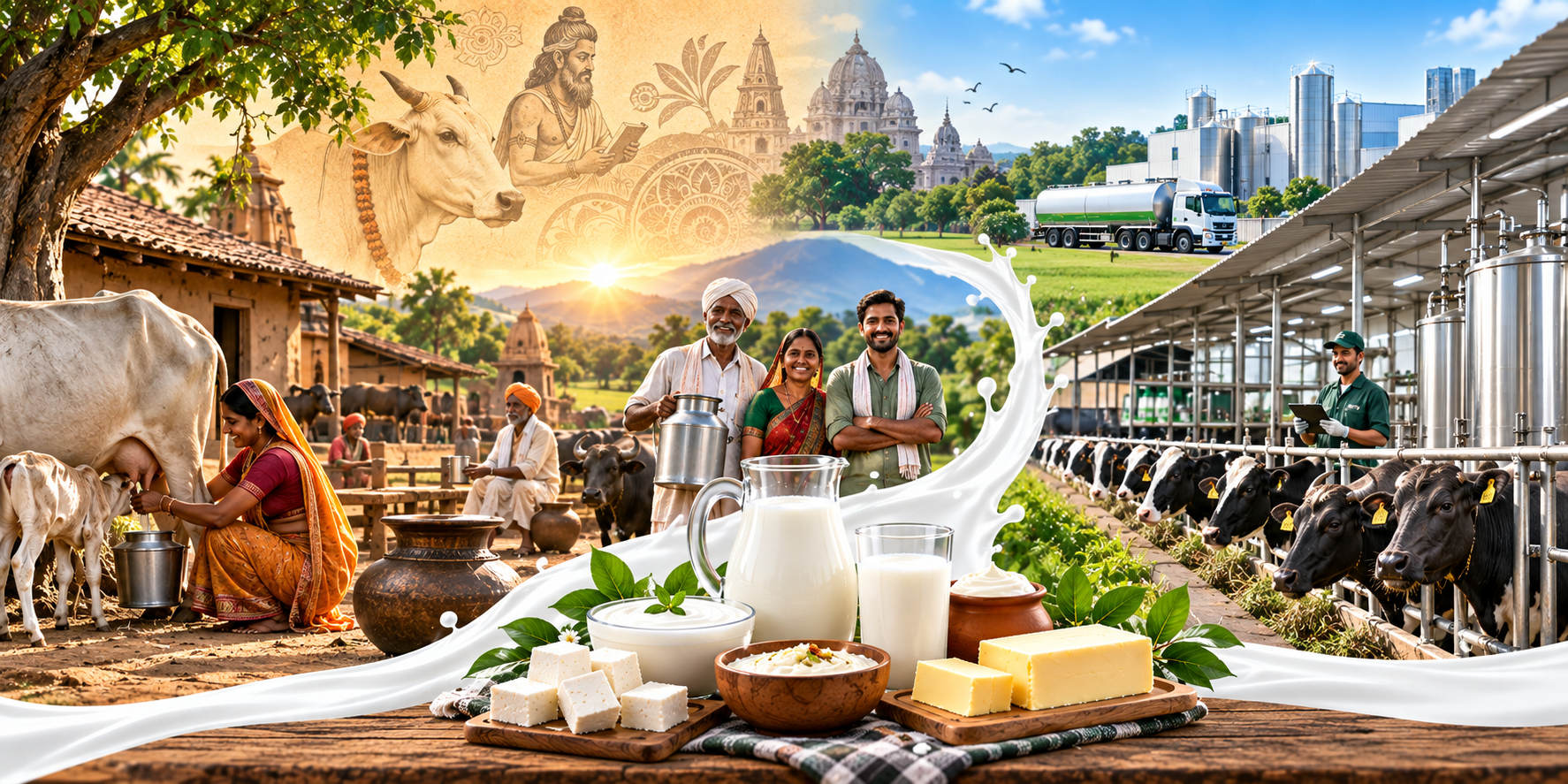
Discover India’s rich dairy heritage, cultural rituals, and evolving practices that keep farms thriving today.
Introduction
Dairy farming in India is more than an agricultural activity; it is a living tradition that intertwines spirituality, community, and economics. From the ancient Vedic reverence for cows to today’s high‑tech milk processing plants, the journey of Indian dairy reflects resilience, adaptation, and a deep respect for the animal.
Historical Roots
The earliest evidence of cattle domestication in the Indian subcontinent dates back to around 2000 BCE. Sacred texts such as the Rig Veda celebrate the cow as a source of nourishment and prosperity. Over centuries, pastoral societies across the Indo‑Gangetic plains, the Deccan plateau, and the Himalayan foothills refined breeding, milking, and dairy processing techniques that remain recognisable today.
Traditional milk‑preserving methods—like turning milk into ghee, butter, and curd—were passed down through generations, often taught by elders during seasonal festivals. These practices not only extended shelf life in hot climates but also created a cultural tapestry of rituals around dairy consumption.
Cultural Significance and Regional Practices
In Hinduism, the cow ("Gau Mata") is a symbol of motherhood and purity. Rural households consider daily milking a sacred duty, and many families keep a dedicated space called a "goshala" for their cattle. Across India, regional variations add flavour to the tradition:
- Punjab & Haryana: Known for the high‑yielding Murrah buffalo and the robust Jersey cow, these states pioneered cooperative models like Amul, which transformed small‑holder milk into a national brand.
- South India: The Vellore and Tharparkar breeds thrive in semi‑arid zones, and dairy products such as curd rice and buttermilk feature prominently in daily meals.
- East India: In West Bengal and Odisha, milk is integral to festivals like Durga Puja, where sweet offerings of rasgulla and sandesh are prepared from fresh curd.
Modern Evolution and AS Dairy’s Role
While tradition remains strong, Indian dairy farms are embracing technology. Automated milking parlours, mobile veterinary apps, and cold‑chain logistics have boosted productivity and reduced waste. AS Dairy exemplifies this blend by sourcing milk from both heritage buffaloes and high‑yielding cows, then delivering fresh, farm‑to‑family products through a transparent supply chain.
Our commitment to organic feed, animal welfare, and traceable processing honours the age‑old principle that a healthy animal yields pure milk. By partnering with local cooperatives, AS Dairy helps preserve indigenous breeds while offering consumers premium, nutrient‑rich dairy.
Challenges and Opportunities
Indian dairy faces several hurdles: climate variability threatens fodder availability; diseases such as mastitis require vigilant health monitoring; and market price volatility can strain smallholders. Yet, opportunities abound:
- Value‑added products: Growing demand for probiotic yoghurts, flavoured milk, and artisanal cheeses opens new revenue streams.
- Sustainable practices: Integrating biogas plants and manure‑based fertilisers reduces environmental impact and provides additional income.
- Digital platforms: Mobile apps connect farmers directly with buyers, ensuring fair prices and reducing middle‑man losses.
Conclusion
The tapestry of Indian dairy farming is woven from centuries of reverence, regional ingenuity, and modern innovation. By cherishing traditional knowledge and embracing forward‑looking technologies, farms across the nation—especially partners of AS Dairy—continue to nourish families while safeguarding a cultural legacy that has fed the subcontinent for millennia.